Quick answer: Semantic Scholar is a beginner friendly tool for faster research and study. It is an AI powered research tool for discovering and understanding scientific literature. People use it to get quick answers to research questions with sources you can check, and you simply describe what you need to get started.
Official tool: https://www.semanticscholar.org/
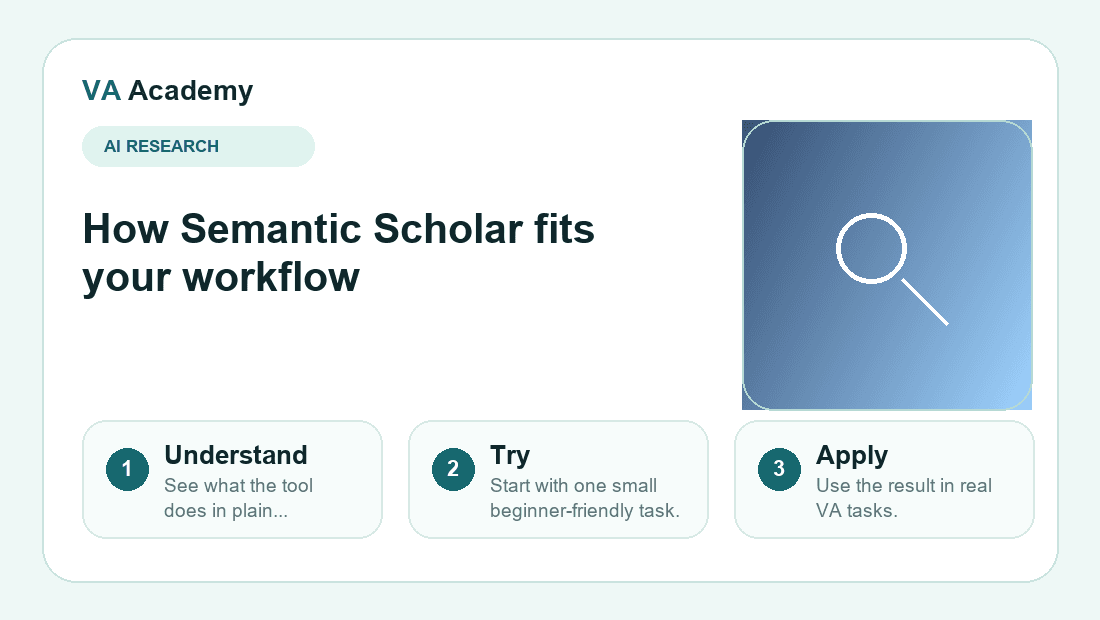
New tools pop up every week, and Semantic Scholar is one that beginners keep asking me about. It is a tool that helps with faster research and study, and you do not need any tech background to try it.
In this guide I keep things simple. No jargon, no overwhelm. Just clear answers to the questions beginners actually ask, plus real ways you can start using Semantic Scholar today.
What is Semantic Scholar?
Semantic Scholar is a tool designed to make your work easier. It is an AI powered research tool for discovering and understanding scientific literature. In everyday words, it takes something you would usually do slowly and makes it faster and simpler. Good for educational creators and evidence based posts. You describe what you need, and it does the heavy lifting for you.
Why people are talking about Semantic Scholar
Interest in Semantic Scholar has been growing lately. Official page verified; useful for finding sources and studies. That is a good sign that this tool is worth a look, especially if you like to try things while they are fresh and useful.
Who is Semantic Scholar for?
Semantic Scholar is for students, researchers, writers, and curious beginners who want faster answers they can trust. If that sounds like you, you are in the right place. The best part is that you do not need to be an expert. You just need a real task you want to get done and a little curiosity to experiment.
What can you do with Semantic Scholar?
Here are some of the most useful things you can do:
- Get quick answers to research questions with sources you can check.
- Summarize long articles, PDFs, or reports into a few clear points.
- Compare different viewpoints on a topic side by side.
- Pull key facts and quotes without reading every page yourself.
- Turn heavy reading into simple notes you can actually use.
You do not have to try all of these at once. Pick the one that matches a task you already have, and start there.
A simple content idea: Find better sources with Semantic Scholar
One easy way to get value from Semantic Scholar is this angle: Find better sources with Semantic Scholar. It works because it is specific and beginner friendly, so you can follow along and see a real result quickly. If you create content, formats such as Research tutorial, carousel work well for this. Try it once, keep what works, and build from there.
How do you get started with Semantic Scholar?
Getting started is easier than you might think:
- Visit the official site at https://www.semanticscholar.org/ and create an account.
- Look for a free option or a free trial so you can explore first.
- Start with one small, real task instead of trying everything at once.
- Review the result, make small changes, and try again until it feels right.
My best tip: describe what you want clearly and in your own words. The clearer you are, the better the result.
A quick beginner example
Imagine you have a long PDF and only 10 minutes to understand it. Instead of struggling, you can try something like this:
"Summarize the main points of this document in 5 simple bullet points a beginner can understand."
In moments you get a helpful starting point. You read it, adjust a detail or two, and you are done. That is the real magic of a tool like Semantic Scholar. It gives you a head start so you never have to begin from zero.
Tips for using Semantic Scholar as a beginner
- Always open the sources it gives you and confirm the facts yourself.
- Ask it to explain in simple terms if the answer feels too technical.
- Keep your question specific so you get a focused, useful answer.
Is Semantic Scholar free?
Pricing changes often, so the honest answer is that it depends. Many AI tools like Semantic Scholar offer a free plan or a free trial so you can test them before paying anything. For the most current pricing, it is best to check the official site at https://www.semanticscholar.org/. When you are just starting, a free option is usually more than enough to learn the basics.
Key takeaways
- Semantic Scholar helps beginners with faster research and study.
- It is designed for students and anyone new to AI.
- You use it by describing what you need in plain language.
- Start small with one real task, and explore the free option first.
Frequently asked questions
What is Semantic Scholar used for? Semantic Scholar is used for faster research and study. It is an AI powered research tool for discovering and understanding scientific literature. Beginners often use it to get quick answers to research questions with sources you can check.
Do I need tech skills to use Semantic Scholar? No. Semantic Scholar is beginner friendly. You describe what you need in normal words, and the tool helps you get it done without any coding or technical knowledge.
Is Semantic Scholar good for beginners? Yes. Semantic Scholar works well for students and first time AI users. Start with one simple task, explore the free features, and build from there.
How do I start using Semantic Scholar? Visit https://www.semanticscholar.org/, create an account, look for a free option, and try one small task first. Review the result, make small changes, and keep practicing.
Sharing everything I am learning about AI 💛